Some Quick Facts You Might Find Interesting
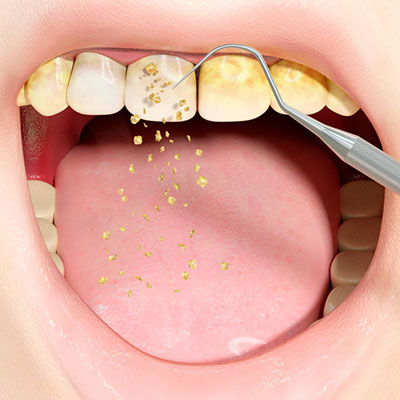
- The small lumps formed due to germs, food debris, and hardened minerals in the tonsils are called tonsil stones
- Having tonsil stones can lead to other oral issues like nauseating cough, bad taste, sore throat, and even bad breath in the mouth
- Mostly following good oral hygiene can help in controlling tonsil stones
- Tonsil stones can easily be treated with home remedies, however, if they worsen, an ENT specialist might suggest surgery to remove the tonsil stones
What are Tonsil Stones—An Introduction
Have you ever felt soreness in your throat that it was difficult to swallow a sip of water? That might be tonsil stones.
Tonsilloliths, or tonsil stones, are pebble-like, small lumps formed due to food remains, hardened minerals, germs, fungi, or bacteria in the tonsils’ crannies and nooks. Tonsils contain several tunnels, pits, and crevices termed tonsil crypts. They are responsible for trapping different viruses, fungi, bacteria, and other harmful germs. They also help the immune system in fighting various infections. Sometimes, when cerumen traps other debris like dead cells, leftover food, and other bacteria, it creates small stone-like lumps in the tonsils.
So, how can you know if you are having tonsil stones? Usually, they are harmless; however, they can lead to other oral issues such as sore throat, ear pain, bad breath, swollen tonsils, swallowing issues, etc. They are either yellow or white and are mostly small in size; however, in serious conditions, they can also be large.
Tonsil stones can easily be treated at home. However, in certain harmful situations, doctors might suggest surgery to remove them.
What are the causes?
The tonsils are packed with crannies and nooks that trap mucus, dead cells, bacteria, and other things. When too much debris gets trapped, the debris gets connected, and a stone-like texture is formed. When the formed stones get calcified or coarsened, tonsil stones are formed. This situation arises in people who suffer from long-term inflammation in the tonsils or often suffer from tonsillitis. People mostly have small tonsilloliths, while large tonsil stones are rarely observed.
Some other factors that cause tonsil stones include large tonsils, poor oral hygiene, chronic sinus issues, inflamed tonsils, etc.
What are the symptoms?
Surprisingly, small tonsil stones might not cause visible symptoms. Even the large stones are sometimes visible only when CT scans or X-rays are done. Yet, here are some symptoms that might indicate tonsil stones.
- Halitosis, or bad breath, is the primary symptom of tonsil stones. This symptom is accompanied by tonsil infection
- When one suffers from tonsillitis or tonsil stones, it becomes hard to understand what is causing pain in the throat. It can be the tonsil stone that is painful, leading to a sore throat
- When a stone irritates the throat, it can also cause a cough
- A white stone-like lump or debris is sometimes visible on the back side of the throat, which is nothing but tonsil stone
- If the size of the tonsil stone or the location isn’t proper, it can lead to trouble while swallowing liquids as well as food
- The tonsils and the ears share similar nerve pathways. Hence, sometimes, when the tonsil stones are severe, they might also lead to pain in the ears even if the stone isn’t touching it
- When the tonsil stone is formed, it can lead to other issues like infection and inflammation that might lead to swelling of the tonsil
Hence, these are some common symptoms you might observe when suffering from tonsil stones. Some other similar symptoms for tonsil stones are strep throat, tonsillitis, tooth decay, gum disease, tonsil cancer, and oropharyngeal squamous cell carcinoma.
What is the treatment?
Mostly, tonsil stones can easily be removed at home itself. Here is how you can treat tonsil stones through home remedies.
1. Saltwater Gargles
When having painful tonsil stones, gargling using warm water and a little salt in it can help ease the pain and get rid of tonsil stones.
2. In-house removal
You can also get rid of tonsil stones by rasping or rubbing them gently using water swabs or picks.
3. Antibiotics
Sometimes, doctors might suggest certain antibiotic medications to help you get rid of tonsil stones. However, there are certain side effects that might not fix the issues leading to stones.
4. Surgery
If the size of the tonsil stones is larger than normal and causing you problems, the doctors might suggest a surgery to eliminate them.
5. Tonsillectomy
If anyone has been suffering from tonsil stones for a long time, the doctors might suggest you remove the tonsils.
6. Cryptolysis
Doctors in this treatment use radiofrequency or laser wands to scab the tonsils and slowly remove them.
In most of the cases, tonsil stones can be removed at home only. However, if you fail to do it, or it is bothering you, visiting a practitioner is advised to eliminate stones. If the tonsil stones aren’t bothering you, they can be left unattended. At times, they might fall out themselves. However, if you are suffering from tonsil stones frequently and the situation is getting uncomfortable, you need to see a doctor for possible treatments.
Tonsil Stones – What to Do for Prevention?
It isn’t possible to avoid tonsil stones forever. However, certain actions might help reduce the chances of severe or painful tonsil stones. Let’s check out the list quickly.
- Make sure to floss and brush your teeth and tongue regularly
- Avoid smoking
- Use salty warm water to gargle after having meals to clear the mouth of debris
- Make sure to have adequate water to remain hydrated
In case you observe tonsil stones, make sure you don’t extricate stones using a water jet or by manually removing them using your fingers or other sharp objects. This might damage the tonsils and lead to other complications like choking, bleeding, infections, etc.
Conclusion
Tonsil stones are usually minor and placate. However, at times they might lead to discomfort and infections. Hence, if they are causing pain, it is advised to see a doctor.
Related Posts