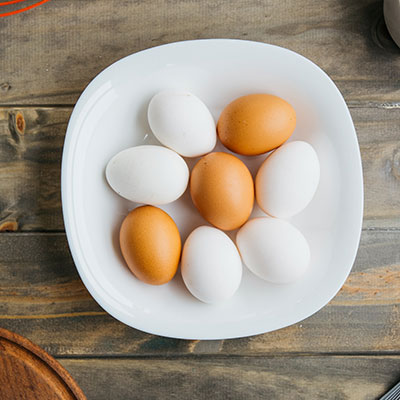
Did you know that egg noodles have been a dietary staple for centuries, offering a unique nutritional profile that sets them apart from regular pasta? While many view them simply as a comfort food, these versatile noodles pack 7 grams of complete protein per cup and provide essential nutrients like selenium and B vitamins.
Whether you’re tracking macros, managing blood sugar, or simply curious about making informed food choices, understanding egg noodles’ nutritional composition can help you incorporate them wisely into your meal plan. Let’s explore how these golden strands can fit into a balanced diet while supporting your health goals.
Finding Balance: Sarah’s Journey with Egg Noodles
Meet Sarah, a 22-year-old marketing assistant who’s looking to make smart food choices while managing her weight. Like many young women her age, she needs about 1800-2400 calories daily to maintain a healthy weight. After trying various dieting trends, Sarah wants to find filling foods that won’t leave her feeling deprived.
During her meal planning research, Sarah came across egg noodles as a potential option. She learned that a cup of cooked egg noodles provides 221 calories, with a good mix of carbs and protein. This caught her attention since she needs 45-65% of her daily calories from carbohydrates and about 0.8 grams of protein for health.
Sarah appreciates that egg noodles can work in many dishes – from warm soups to cold salads. She’s excited to try incorporating them into her meals, knowing they offer essential nutrients like B vitamins and selenium. Plus, the protein content helps keep her satisfied between meals, making it easier to stick to her portions.
Egg Noodles Nutrition Facts
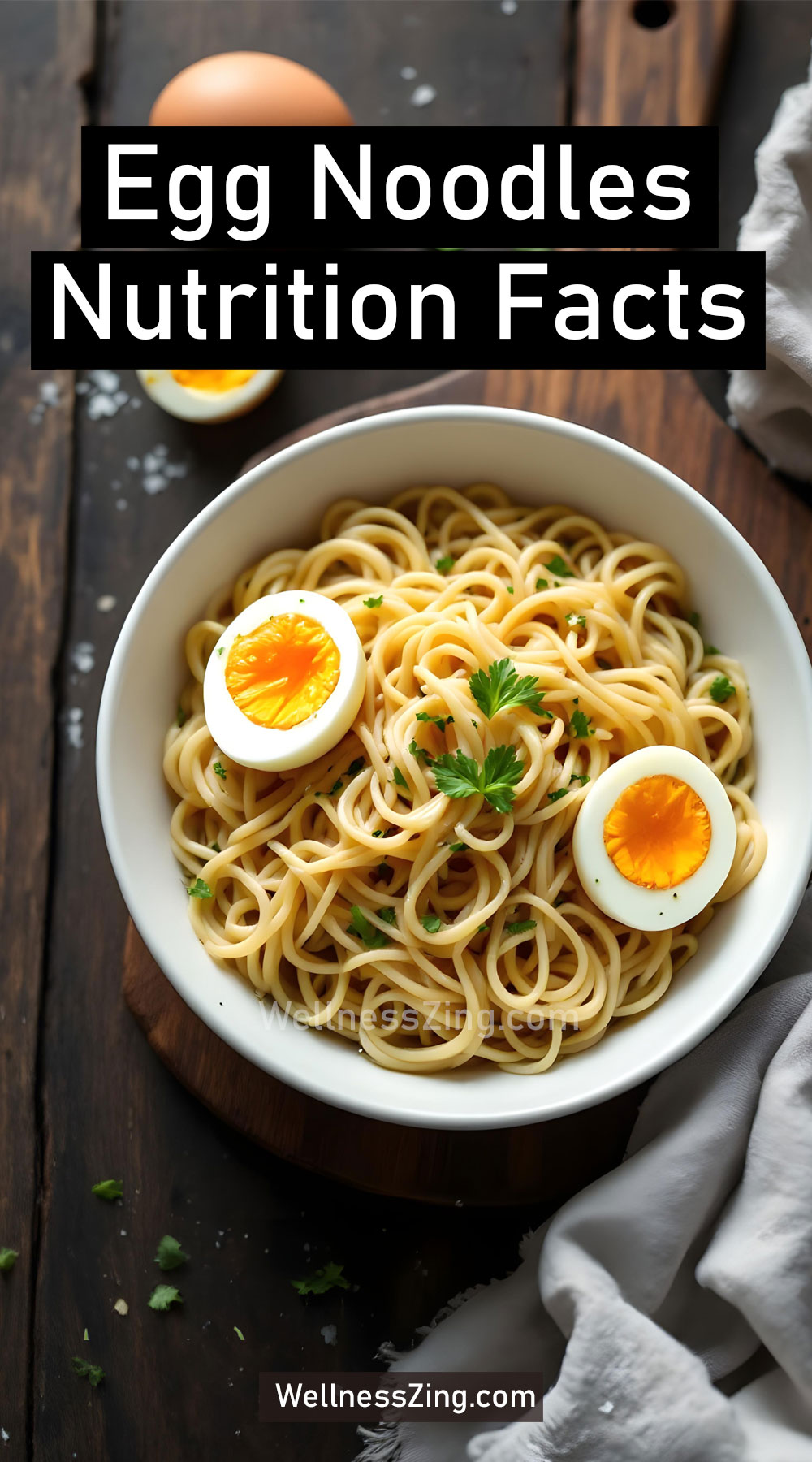
A cup of cooked egg noodles packs quite a nutritional punch. At 221 calories per serving, these noodles provide 40 grams of carbohydrates, making them a good versus bad carbs source. You’ll also get 7 grams of protein and 3 grams of fat in each cup, plus 2 grams of fiber to help keep you feeling full.
Looking at vitamins and minerals, egg noodles shine with their selenium content – an important mineral for immune health. They’re also rich in B vitamins, which help your body turn food into energy. Plus, you’ll find manganese, which supports bone health and wound healing.
The proteins in egg noodles are complete, meaning they contain all essential amino acids your body needs. While they have less fiber than egg noodles and pasta options, egg noodles can still fit nicely into a balanced eating plan. If you’re watching your nutrients, keep in mind that one cup provides about 10% of your daily iron needs – particularly helpful for women who need extra iron in their diets.
How Do Egg Noodles Stack Up Against Other Pasta Types?
When you put egg noodles next to regular pasta on your plate, you’ll notice some key differences. A cup of cooked egg noodles gives you 221 calories and 40 grams of carbs, while the same amount of regular pasta contains 200 calories and 42 grams of carbs.
The protein content stays pretty even – both types offer about 7 grams per cup. However, egg noodles carry more cholesterol because of their egg content. This might matter if you’re watching your cholesterol intake.
For those focused on blood sugar management, egg noodles have a medium glycemic index of 40-50, similar to regular pasta at 50-55. This means they won’t cause big spikes in your blood sugar levels.
If you’re looking for more fiber, whole wheat pasta might be your better pick. It typically packs more fiber than egg noodles and has a lower glycemic index of 35-45. But don’t count egg noodles out – they can still be part of a healthy eating pattern when you watch your portions.
Glycemic Index and Blood Sugar: Understanding Egg Noodles
The glycemic index (GI) helps us understand how foods affect blood sugar levels. Egg noodles fall in the medium GI range at 40-50, which means they raise blood sugar more slowly than high-GI foods like white bread.
This moderate GI makes egg noodles a good choice for steady energy throughout your day. When you eat them, your body breaks down their carbs gradually, helping avoid the quick sugar spikes and crashes that can leave you feeling tired.
You can make egg noodles even more blood-sugar friendly by adding protein and healthy fats to your meal. Try tossing them with grilled chicken and olive oil, or mix them into a stir-fry with tofu and vegetables. The protein and fat help slow down digestion, making the meal’s effect on blood sugar even gentler.
For people watching their blood sugar, portion size matters too. Stick to about one cup of cooked noodles per serving, and pair them with fiber-rich vegetables to create a balanced plate that supports steady energy levels.
Protein Content and Its Importance for Various Groups
A cup of cooked egg noodles offers 7 grams of protein – a helpful amount for anyone looking to meet their daily protein needs. That’s why you can call this recipe Protein Egg Noodles! Young men typically need about 56 grams of protein per day, while women require around 46 grams to support their body’s functions.
The protein in egg noodles helps build and repair muscles, making them a good option after workouts. When you exercise, your muscles need protein for health to recover and grow stronger. Adding egg noodles to your post-workout meal can help with this process.
If you’re trying to manage your weight, the protein in egg noodles can help you feel full longer. This feeling of fullness might help you eat less throughout the day. Plus, your body burns more calories digesting protein compared to other nutrients.
While egg noodles aren’t as high in protein as meat or beans, they contain all essential amino acids your body needs. Mix them with other protein sources like chicken, tofu, or eggs to boost the protein content of your meal.
Cholesterol Content and Considerations for Heart Health
If you’re keeping tabs on your heart health, you’ll want to know that one cup of cooked egg noodles contains about 55mg of cholesterol. This amount takes up roughly 18% of the recommended daily limit of 300mg for healthy adults.
The cholesterol content in egg noodles comes from the eggs used in making them, which is why they have more cholesterol than regular pasta. But here’s some good news: research shows that dietary cholesterol has less impact on your blood cholesterol levels than saturated fat does.
For most healthy people, eating egg noodles as part of balanced meals won’t cause problems. However, if you have heart disease risk factors or your doctor has asked you to watch your cholesterol intake, you might want to be mindful of your portions. You can also try heart-healthy cooking methods – like pairing egg noodles with plenty of vegetables and using olive oil instead of butter.
Consider choosing whole grain varieties when possible, as they offer more fiber, which may help manage cholesterol levels naturally.
Fiber Content and Digestive Health – Are Egg Noodles Fattening?
Let’s talk fiber – egg noodles contain 2 grams per cooked cup, which is lower than whole grain options. For comparison, most women need 25 grams of fiber daily, while men should aim for 38 grams.
The fiber in egg noodles helps keep your digestive system moving smoothly. While they’re not the highest-fiber food choice, they can still support healthy digestion when paired with fiber-rich ingredients. Try adding vegetables like broccoli, carrots, or spinach to boost the fiber content of your noodle dishes.
For weight watchers, the moderate fiber content in egg noodles can help with feeling satisfied after meals. Though they’re not considered “low carb,” the fiber they do contain slows down digestion slightly, which may help prevent overeating.
To get more fiber in your good versus bad carbs meals:
- Mix in mushrooms and bell peppers
- Top with edamame or peas
- Choose whole grain egg noodles when available
- Add shredded cabbage or zucchini
Remember, fiber needs vary by person – some might need to start slowly when adding more fiber to prevent digestive discomfort.
Potential Benefits of Egg Noodles for Different Groups
Kitchen pros love egg noodles for their cooking flexibility – they work well in hot dishes, cold salads, and soups. The noodles hold sauces nicely and cook quickly, making them a go-to ingredient for busy chefs.
For those watching their weight, egg noodles offer built-in portion control. One cup serving gives you a satisfying amount of carbs without going overboard on calories. Young women can benefit from the iron content – about 10% of daily needs per cup – which helps replace iron lost during monthly cycles.
Young men working on muscle gains will appreciate that egg noodles provide quick energy from carbs plus complete protein. The 7 grams of protein per cup helps support muscle recovery after workouts.
Nutritionists often suggest ate pasta every day as part of balanced meals because they’re filling and provide steady energy. Students find them budget-friendly and easy to prepare – just boil water, cook for 8-10 minutes, and add your favorite toppings for a quick meal that provides both carbs and protein.
Remember to pair egg noodles with vegetables and lean proteins to create well-rounded meals that keep you satisfied longer.
Potential Drawbacks or Considerations When Consuming Egg Noodles
If you’re thinking about adding egg noodles to your meals, there are some key points to keep in mind. These noodles contain gluten from wheat flour, making them off-limits for people with celiac disease or gluten sensitivity.
For those watching their carbs, egg noodles might not be the best choice – they pack 40 grams of carbs per cup, mostly from refined flour. This higher carb content means they’re not suited for very low-carb eating plans.
When it comes to weight management, portion control is essential. Egg noodles are calorie-dense at 221 calories per cup, so measuring your servings helps prevent overeating. While they can fit into a weight loss plan, eating large portions might make it harder to stay within your daily calorie goals.
Some people might need to watch their cholesterol intake. With 55mg per cup, egg noodles have more cholesterol than pasta. If you’re following a cholesterol-restricted diet, you might want to choose regular pasta instead or limit your portions of egg noodles.
Tips for Incorporating Egg Noodles into a Balanced Diet
Start with a single cup of cooked egg noodles as your base serving – this helps manage portions naturally. Mix them with colorful vegetables like carrots, peas, and bell peppers to boost the nutritional value of your meal.
Try these simple ways to make your egg noodle dishes healthier:
- Add lean proteins like chicken breast or tofu
- Include leafy greens for extra vitamins and minerals
- Use broth-based sauces instead of cream-heavy ones
- Mix in mushrooms and bean sprouts for extra nutrients
- Choose whole grain varieties when possible
Make ate pasta every day work harder in soups – they’ll soak up flavors while helping you feel satisfied with smaller portions. For cold dishes, try tossing cooked and chilled noodles with sesame oil, cucumber, and shredded carrots.
When cooking egg noodles, follow package instructions for best results. Let them reach al dente texture – this keeps their glycemic impact lower than overcooked noodles. Remember to store leftover cooked noodles in an airtight container in your fridge for up to three days.
Healthy Recipe Ideas Using Egg Noodles
Looking for tasty ways to enjoy egg noodles? Here are some nutritious recipes that make the most of their versatility:
1. Quick Asian-Style Chicken Stir-Fry
- 1 cup cooked egg noodles
- 4 oz diced chicken breast
- 2 cups mixed vegetables (broccoli, carrots, snap peas)
- 1 tbsp low-sodium soy sauce
- 1 tsp sesame oil
2. Mediterranean Noodle Bowl
- 1 cup cooked egg noodles
- 1/2 cup cherry tomatoes
- 1/4 cup olives
- 2 oz grilled chicken
- Fresh basil and olive oil
3. Light Tuna Noodle Bowl
- 1 cup cooked egg noodles
- 3 oz canned tuna in water
- 1/2 cup peas
- 1/4 cup Greek yogurt
- Lemon juice and dill
4. Vegetable-Packed Soup
- 1 cup egg noodles
- 4 cups vegetable broth
- 1 cup spinach
- 1/2 cup carrots
- 1/4 cup celery
- Fresh parsley
Each recipe provides a balanced mix of protein while keeping portions in check. Remember to measure your noodles and load up on vegetables for the most nutritious meal.
Alternatives to Egg Noodles for Dietary Restrictions
If you can’t eat egg noodles, plenty of tasty options can fill that pasta-shaped hole in your meals. For those avoiding gluten, rice noodles offer a light texture perfect for stir-fries and soups. Zucchini noodles (“zoodles”) make a fresh, low-carb choice with just 20 calories per cup.
Bean-based pastas pack more protein than traditional egg noodles – chickpea pasta provides about 14g protein per serving, double what egg noodles offer. Shirataki noodles, made from konjac root, contain almost no calories and work well for weight management.
For those skipping eggs but okay with gluten, regular wheat pasta makes an easy swap. Those who eat pasta every day might prefer “no yolk” egg noodles, which have about 25% less cholesterol than standard egg noodles. Speaking of Egg noodles calories, a cup of egg noodles contain 221 calories.
Here’s how alternatives compare per cup:
- Rice noodles: 190 calories, 42g carbs, 2g protein
- Chickpea pasta: 190 calories, 32g carbs, 14g protein
- Zucchini noodles: 20 calories, 4g carbs, 1g protein
- Shirataki noodles: 10 calories, 3g carbs, 0g protein
Proper Storage and Preparation of Egg Noodles
Keep dry egg noodles fresh by storing them in an airtight container in a cool, dry pantry – they’ll stay good for up to one year this way. Once cooked, place noodles in a sealed container in your fridge and eat within 3-5 days.
For perfect egg noodles every time:
- Bring a large pot of water to a rolling boil
- Add a pinch of salt to the water
- Drop in noodles and stir gently
- Cook 8-10 minutes until tender but still firm
- Test by biting into a noodle – it should be soft with slight resistance
- Drain in a colander
- Rinse with cold water if using in cold dishes
If you’re meal prepping, you can eat pasta every day by freezing cooked egg noodles for up to 3 months. Let them cool completely, then portion into freezer bags. Remove as much air as possible before sealing to prevent freezer burn.
When ready to use frozen noodles, thaw them overnight in your fridge. Heat gently in the microwave or add directly to hot soups and sauces. Avoid refreezing previously frozen noodles to maintain food safety.
Few Important Questions about Egg Noodles
1. Are egg noodles healthy or unhealthy?
Egg noodles can fit into a balanced diet. One cup provides 221 calories, 40g carbs, and 7g protein, plus B vitamins and minerals. Watch portions and pair with vegetables and lean proteins for healthy meals.
2. Are egg noodles carbs or protein?
They’re mainly carbohydrates, with 40g carbs per cup cooked. While they contain 7g protein per serving, they function primarily as a carb source in meals.
3. Can I eat egg noodles for weight loss?
You might wonder if, are egg noodles healthy for weight loss? The answer is – Yes, when portioned carefully. One cup contains 221 calories, making them workable for weight management when combined with protein and vegetables.
4. Are egg noodles high in sugar?
No, they contain less than 1g of sugar per cup. Their carbs come mainly from starches, not sugars.
5. Are egg noodles easy to digest?
Most people digest them well. With 2g fiber per cup, they’re less filling than whole grain options but generally don’t cause digestive issues.
6. What’s a good substitute of Egg Noodles?
Regular pasta, rice noodles, or zucchini noodles work well. For gluten-free needs, try rice noodles or bean-based pasta.
7. Are egg noodles better than rice?
They’re similar in calories but offer more protein than white rice. The better choice depends on your nutritional needs and preferences.
8. Are egg noodles gluten-free?
No, traditional egg noodles contain wheat flour and gluten.
9. Do egg noodles cause bloating?
They may cause bloating in gluten-sensitive people but are typically well-tolerated.
10. Can I eat egg noodles with gastritis?
Plain, well-cooked egg noodles are often okay for people with gastritis, but check with your doctor about your specific situation.
Common Myths About Egg Noodles and Pasta Consumption
Many people think eating pasta always leads to weight gain. The truth is, weight changes happen from overall calorie intake, not just one food. A cup of egg noodles has 221 calories – perfectly fine when part of a balanced meal plan.
Some believe egg noodles pack much more protein than regular pasta. Actually, both provide about 7 grams of protein per cooked cup. While the protein in egg noodles is complete (containing all essential amino acids), it’s not significantly higher in amount.
Another misconception is that egg noodles are low in carbs. With 40 grams of carbohydrates per cup, they’re mainly a carb-based food. However, these carbs provide steady energy when eaten as part of a balanced meal.
People often think all pasta raises blood sugar quickly. In fact, egg noodles have a medium glycemic index (40-50), meaning they cause moderate blood sugar changes. Adding protein or healthy fats to your noodle dish can help steady blood sugar even more.
For best results, measure your portions and pair egg noodles with vegetables and lean proteins. This helps create filling meals that support your health goals while debunking common pasta myths.
Final Words Egg Noodles Nutrition
When it comes to egg noodles, moderation and mindful preparation are key to reaping their nutritional benefits. With 221 calories per cup, 7 grams of protein, and a moderate glycemic index, they can be part of a healthy eating pattern when paired with vegetables and lean proteins. Their versatility in both hot and cold dishes makes them a practical pantry staple.
For those without dietary restrictions, egg noodles offer a satisfying middle ground between nutrition and enjoyment. Whether you’re watching your weight like Sarah or simply seeking balanced meal options, these noodles can be a valuable addition to your culinary repertoire when portion control and thoughtful preparation are kept in mind.
Related Posts