

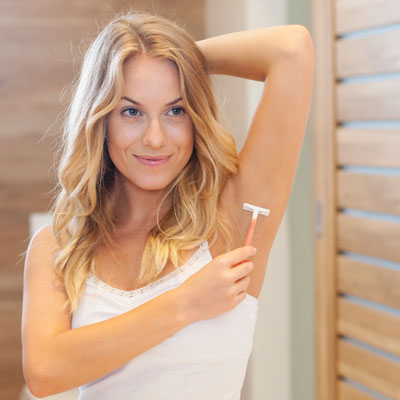
Unwanted body hair has been a common concern for both women and men for centuries. From ancient Egyptian sugar waxing to modern laser treatments, the methods of skin hair removal have evolved dramatically. Today, the choices range from quick at-home solutions to advanced clinical treatments, each with its own benefits, risks, and long-term results. This article explores the most effective techniques, natural remedies, safety tips, and aftercare practices to help you choose the best option for your skin type and lifestyle.
Why Do People Remove Skin Hair?
Hair removal is often thought of as purely cosmetic, but the reasons behind it go much deeper than appearance alone. For many, it is a matter of personal grooming, as smooth, hair-free skin enhances both confidence and hygiene, making people feel fresher in their daily routines. Cultural and social influences also play a significant role, as in many societies, hair-free skin is linked with beauty, femininity, and elegance, shaping grooming habits across generations.

Beyond aesthetics, hair removal is practical in several professions and sports—athletes like swimmers, cyclists, and dancers often remove body hair to improve performance, reduce friction, and maintain a polished look. On the medical side, some individuals manage conditions like hirsutism, which causes excessive hair growth, through regular removal. Whether motivated by appearance, practicality, or health, the choice of method depends on factors such as skin sensitivity, hair type, lifestyle, and budget, ensuring comfort and safety.
Temporary Hair Removal Methods
When it comes to getting rid of unwanted hair, most people turn to quick and affordable options that can be done at home or with minimal effort. These temporary hair removal methods provide smooth skin for a short period and are ideal for everyday grooming. From shaving and creams to waxing and threading, each technique has its own pros, cons, and best uses depending on your skin type and lifestyle. Let’s take a quick look at some of the popular hair removal methods.
1. Shaving
Shaving is one of the most widely practiced and affordable methods of hair removal, with surveys showing that nearly 77% of women in the U.S. regularly shave their legs, making it the most common grooming choice. It involves using a razor to trim hair at the skin’s surface, offering quick, painless, and convenient results, especially for areas like the legs, arms, and underarms. On average, women spend about 72 days of their lives shaving, highlighting how central this routine is in daily grooming. Despite its popularity, the results are short-lived, typically lasting only 1–3 days before regrowth occurs. Shaving also comes with drawbacks, such as razor burns, small cuts, and ingrown hairs, with dermatologists noting that improper shaving techniques increase irritation risks significantly. While not always ideal for sensitive areas like the bikini line, proper preparation—such as exfoliating beforehand and using moisturizing shaving gels—helps reduce irritation and achieve smoother results.
2. Hair Removal Creams (Depilatories)
Hair removal creams, also known as depilatories, are a popular alternative to shaving and waxing because they provide a painless and relatively quick solution for removing unwanted hair. These creams work by using active chemical ingredients, such as calcium thioglycolate and potassium hydroxide, to break down the protein structure (keratin) in hair, causing it to dissolve at the skin’s surface. According to market research, nearly 24% of women worldwide prefer depilatory creams as a hair removal method due to their ease of use and longer-lasting results compared to shaving. While shaving typically keeps skin smooth for just 1–3 days, hair removal creams can extend results up to 5–7 days, depending on individual hair growth rates. However, there are some drawbacks.
Many users report a strong chemical odor, and dermatologists warn that these creams may cause irritation, redness, or allergic reactions, especially on sensitive skin. They are not generally recommended for delicate areas like the bikini line or face unless specifically formulated for those regions. To reduce risks, experts strongly advise performing a patch test at least 24 hours before full application. With careful use, depilatory creams can be a safe, affordable, and effective option for women seeking a convenient short-term hair removal method.
3. Waxing
Waxing is a widely used method of hair removal that works by pulling hair out from the root using either hot or cold wax strips. It is particularly effective for large areas such as the legs, arms, and back, and one of its main advantages is the long-lasting smoothness it provides, with res
ults typically lasting between three to six weeks. Over time, many women also notice that regrowth becomes softer and finer, making the process more manageable in the long run. However, waxing does come with some drawbacks. It can be quite painful, especially for those with sensitive skin, and may lead to temporary redness, bumps, or even ingrown hairs. Another limitation is that hair must grow to at least a quarter of an inch before it can be effectively removed again, which may cause inconvenience for those who prefer to remain hair-free at all times. To minimize the risk of ingrown hairs and irritation, experts recommend exfoliating the skin a day before waxing. Despite the discomfort, waxing remains one of the most efficient and popular methods for achieving smooth, hair-free skin that lasts significantly longer compared to shaving or depilatory creams.
4. Threading
Threading is an ancient hair removal technique that originated in South Asia and the Middle East and has become increasingly popular worldwide for its precision and effectiveness. The method involves using a thin cotton thread that is twisted and rolled across the skin to pluck hairs directly from the follicle. Unlike waxing or depilatory creams, threading does not involve any chemicals, making it a suitable option for people with sensitive skin or allergies. It is particularly favored for shaping eyebrows and removing fine facial hair, as it allows for greater accuracy and control compared to other methods. According to beauty industry surveys, threading has become one of the most requested salon services for eyebrow grooming, largely due to its ability to create sharp, defined shapes.
However, threading can be painful, especially for first-timers, and may cause temporary redness or irritation. It also requires professional expertise for best results, as incorrect technique can lead to uneven shaping or skin pinching. Despite these drawbacks, threading remains a highly popular method for facial hair removal due to its precision, affordability, and long-lasting results, with effects typically lasting two to three weeks depending on individual hair growth cycles.
5. Sugaring
Sugaring is an ancient method of hair removal that has been practiced for centuries in the Middle East and North Africa and is now gaining popularity worldwide as a natural alternative to waxing. The technique uses a paste made from simple, eco-friendly ingredients—sugar, lemon juice, and water—that are heated to form a sticky, pliable consistency. Unlike traditional waxing, where the resin adheres to both the hair and skin, sugaring paste clings primarily to the hair, making the process less painful and gentler on sensitive skin.
Dermatologists often recommend sugaring for individuals prone to irritation or ingrown hairs, as the paste removes hair in the natural direction of growth, reducing breakage at the follicle. Results typically last three to five weeks, similar to waxing, but with fewer reports of redness or lingering discomfort. However, sugaring can be time-consuming when performed at home since achieving the right consistency requires practice, and professional salon treatments are often preferred for efficiency and precision.
Despite these challenges, its natural composition, reduced pain factor, and suitability for sensitive skin make sugaring a sustainable and increasingly sought-after option in the world of hair removal.
Semi-Permanent and Permanent Hair Removal
Electrolysis
Electrolysis is one of the oldest and most effective methods of permanent hair removal, approved by the U.S. Food and Drug Administration (FDA) as a safe procedure for long-term results. The process works by inserting a fine probe into individual hair follicles and applying a small electric current to destroy the follicle’s growth center, preventing future regrowth. Unlike laser treatments, which are most effective on dark hair and lighter skin, electrolysis can be used on all hair colors, textures, and skin types, making it a versatile option for individuals who may not be suitable candidates for laser hair removal.
However, electrolysis can be time-intensive since each follicle is treated separately, which means multiple sessions are usually required to achieve permanent results—sometimes taking up to 12–18 months for full treatment depending on the area and density of hair. The procedure can also be uncomfortable, with patients reporting sensations ranging from mild stinging to more noticeable pain, although topical numbing creams are often used to reduce discomfort.
Despite these challenges, dermatologists consider electrolysis the gold standard for permanent hair removal, particularly for small, stubborn areas like the chin, upper lip, or bikini line, where precision and lasting results are most important.
Laser Hair Removal
Here is a very useful and informative video on laser hair removal that you will love to watch –
Laser hair removal is one of the most advanced and effective methods for long-term hair reduction. It works by using concentrated light beams that target and damage hair follicles, significantly reducing regrowth. Studies show it can achieve 80–90% permanent reduction after multiple sessions, typically requiring 6–8 treatments with occasional maintenance. The procedure is quick and efficient, making it ideal for larger areas like legs or arms, and is often less painful than repeated waxing. While it is more expensive than temporary options, advancements in technology have improved its effectiveness across different skin tones and hair types. Dermatologist consultation and the use of FDA-approved devices are strongly recommended to ensure safety and the best results.
Natural and DIY Home Remedies for Skin Hair Removal
For those who prefer avoiding harsh chemicals or expensive salon treatments, natural and DIY home remedies offer a gentler and cost-effective approach to hair removal. While these remedies may not provide instant or permanent results like laser or electrolysis, they can help reduce hair growth, lighten fine hairs, and make regrowth softer over time. Many of these methods are rooted in ancient beauty traditions, particularly from India and the Middle East, and continue to be used today for their safety and effectiveness.
1. Turmeric and Milk Paste
Turmeric has been used in Ayurvedic beauty practices for centuries due to its anti-inflammatory, antibacterial, and hair-growth-inhibiting properties. When mixed with milk or yogurt, it forms a soothing paste that can be applied to areas like the upper lip, chin, or arms. Regular use is believed to weaken hair follicles gradually, making hair thinner and less noticeable. Some studies have also highlighted turmeric’s potential role in slowing hair regrowth when used consistently. In addition, this paste brightens the skin, making it a two-in-one treatment for hair and complexion.
2. Sugar and Lemon Scrub
This is one of the oldest natural remedies for hair removal, particularly in Middle Eastern cultures, where sugaring originated. Sugar, when heated with lemon juice, forms a sticky paste that can be applied to the skin and pulled off to remove hair from the root. However, when used in scrub form (without pulling), sugar granules act as a natural exfoliant, while lemon juice helps lighten the appearance of fine hair. Exfoliation also reduces the risk of ingrown hairs, leaving skin smoother. For best results, apply this scrub twice a week on arms, legs, or facial areas.
3. Papaya and Turmeric Mask
Papaya contains an enzyme called papain, which helps break down hair follicles and prevents regrowth over time. When blended with turmeric, the paste becomes a powerful natural hair-reduction mask. This remedy is especially effective for sensitive areas like the face, where waxing or shaving may cause irritation. Regular application not only weakens hair growth but also nourishes the skin, leaving it soft and glowing. Some dermatologists note that fruit enzymes like papain are commonly used in skincare for exfoliation, which may explain its effectiveness in hair-thinning remedies.
4. Egg White and Cornstarch Peel
Another widely used DIY method is the egg white mask mixed with cornstarch and sugar. When applied to the skin, it dries into a thin film that adheres to fine hair. Peeling it off removes tiny facial hairs, similar to a peel-off strip. While not as strong as waxing, it is much gentler and suitable for delicate areas. Regular use can help reduce peach fuzz and improve skin texture. Additionally, egg whites tighten the skin temporarily, giving a smoother and refreshed appearance.
Choosing the Right Method for Different Body Areas
Not all parts of the body require the same hair removal approach. The thickness of hair, skin sensitivity, and desired results vary from one area to another, making it important to select the most effective and safe method. Below is a guide to the best techniques for different body regions.
1. Face
Facial skin is delicate and requires gentle yet precise methods. Threading is highly effective for shaping eyebrows and removing upper lip or chin hair, as it targets even the finest strands without chemicals. Sugaring is another natural option that reduces irritation while pulling hair from the root. For those looking for longer-term results, laser hair removal offers precision and significant reduction in facial hair over multiple sessions, especially effective on darker hair.
2. Legs and Arms
Because these areas cover large surfaces, efficiency is key. Shaving remains the most popular method due to its speed and affordability, though results last only a couple of days. Waxing, on the other hand, removes hair from the root and keeps skin smooth for three to six weeks. Depilatory creams provide a painless option but should be tested first for allergies or irritation.
3. Underarms
Hair in the underarms grows quickly and tends to be coarse. Shaving provides immediate results and is convenient for daily grooming. Waxing offers smoother skin for longer periods, but some may find it painful. For those seeking long-term reduction, laser treatments are effective, significantly reducing both hair growth and underarm odor by decreasing sweat gland activity.
4. Bikini Area
The bikini line and pubic region have sensitive skin that requires extra care. Using special razors designed for women’s private areas helps minimize irritation and razor burns. Sugaring is often preferred over waxing in this area because it is gentler and less likely to cause ingrown hairs. Professional bikini waxing remains common, offering results that last several weeks. For those wanting lasting smoothness, laser hair removal can be a reliable solution after multiple sessions.
5. Back and Chest (for Men)
For men, hair on the back and chest can be thick and difficult to manage. Waxing is one of the most effective options for removing large amounts of hair at once, keeping skin smooth for several weeks. However, it can be painful. Laser hair removal is increasingly popular among men because it offers a more permanent reduction and eliminates the need for frequent treatments.
Safety Tips for Hair Removal
Practicing proper safety measures during hair removal is essential to protect the skin and maintain healthy results. Dermatologists recommend exfoliating the skin before shaving or waxing to remove dead cells and reduce the chances of ingrown hairs, which are a common side effect of these methods.
It is also important to avoid sun exposure both immediately before and after procedures like waxing or laser treatments, as freshly treated skin is more sensitive and prone to irritation or pigmentation. Using clean, sharp razors is critical, and sharing them should be strictly avoided since it can lead to bacterial or viral infections. For those trying depilatory creams or natural remedies, performing a patch test at least 24 hours prior helps identify potential allergic reactions or skin sensitivity.
Finally, moisturizing after any form of hair removal helps restore hydration, soothe irritation, and maintain the skin’s protective barrier, ensuring smoother and healthier-looking results.
How to Manage the Side Effects of Hair Removal?
Even when hair removal is done with the best techniques, side effects can still occur, making aftercare an important part of the process. Razor burns and small cuts are common with shaving, and applying aloe vera gel can help soothe the skin and promote healing. Ingrown hairs, often caused by shaving or waxing, can be reduced by regular exfoliation and the application of antibacterial agents such as tea tree oil. Redness and bumps after waxing are another frequent issue, and these can usually be calmed with a cold compress or soothing natural remedies like chamomile gel.
For those undergoing laser hair removal, temporary irritation, redness, or swelling may appear, which dermatologists recommend treating with prescribed soothing creams while avoiding heat, saunas, or direct sun exposure for a few days. By taking these precautionary steps, most side effects remain mild and manageable, allowing skin to stay healthy, smooth, and irritation-free.
Cost Comparison of Hair Removal Methods
When choosing the right hair removal method, cost and effectiveness often play a big role. Since each technique varies in price, duration of results, and level of comfort, having a side-by-side comparison makes decision-making much easier. The following table provides a clear breakdown of different hair removal options, helping you understand which method best suits your budget, skin sensitivity, and lifestyle needs.
| Method | Cost per Session | Duration of Results | Pain Level | Best For |
|---|---|---|---|---|
| Shaving | Low ($0.60 to $3.60) | 1–3 days | Minimal | Quick, last-minute use |
| Hair Removal Cream | Low–Medium | 5–7 days | None | Sensitive areas |
| Waxing | Medium ($5 to $24) | 3–6 weeks | Moderate | Legs, arms, bikini line |
| Threading | Low ($5 to $3.50) | 2–3 weeks | Moderate | Face & eyebrows |
| Sugaring | Medium | 3–5 weeks | Moderate | Natural alternative |
| Laser Hair Removal | High ($35 to $100) per session | Years (with maintenance) | Mild | Large body areas |
| Electrolysis | High | Permanent | High | Small, stubborn hairs |
Final Thoughts
Skin hair removal is not a one-size-fits-all process. From quick fixes like shaving to long-term solutions like laser treatments, the choice depends on personal preferences, budget, skin type, and pain tolerance. For those who value convenience, shaving or depilatory creams work best. For longer-lasting smoothness, waxing or sugaring is ideal. And for those seeking permanent results, electrolysis or laser hair removal remains the gold standard.
Whatever method you choose, always prioritize safety, hygiene, and aftercare to maintain healthy, irritation-free skin. Remember, hair removal is a personal choice—do it for yourself, not just for societal norms.
This post was last modified on August 31, 2025 3:25 pm
Leave a Comment