Hypoglycemia or Low Blood Sugar Levels: An Introduction
Hypoglycemia: Is this term new to you? What if I explain it as low blood sugar or low blood glucose? Yes, when the blood sugar levels of any individual drop below the normal range, it is known as hypoglycemia. In this article, we will take a close look at hypoglycemia treatment, symptoms, and causes.
Glucose is one of the essential energy sources of the body, which is obtained through carbohydrates from bread, potatoes, tortillas, rice, fruit, milk, cereals, and other sugary items. Once you have your meals, the glucose gets absorbed by the bloodstreams, which are further carried to the cells of the body. The pancreas develops a hormone named insulin, which makes it easier for the cells to use the glucose in the form of energy. When the individual takes an excess amount of glucose, the body stores the additional amount of glucose in the muscles and liver, which is known as glycogen. Glycogen is further used by the body in the form of energy in between your meals. However, additional glucose later gets converted into fat and gets stored in the fat cells, which can also be used in the form of energy.
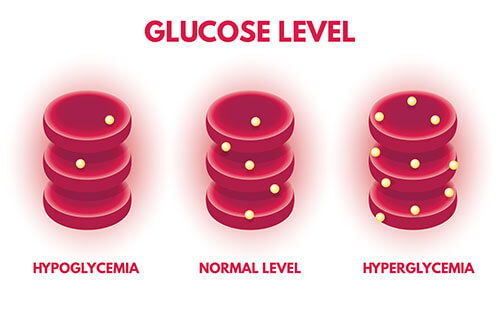
When the blood sugar levels start reducing or falling, glucagon sends a signal to the liver for breaking the glycogen and, in return, releasing the glucose to the bloodstreams. When this happens, the blood glucose levels then start getting normal.
Hypoglycemia is a health issue that can occur suddenly. No doubt, it is a mild state and can be treated very instantly by having something that is rich in glucose. However, if it is left untreated, it can lead to severe conditions like coma, seizures, or sometimes even death. It may also lead to confusion, fainting, or clumsiness. Hypoglycemia is uncommon for adults as well as children below 10 as a possible side effect of the treatment of diabetes. Again, one can also suffer from hypoglycemia due to particular medications, hormonal changes, diseases, tumors, or even enzyme deficiencies.
Some surprising facts about Hypoglycemia
- Hypoglycemia is a state when the blood glucose level ranges below 3 mmol/l, which should actually be in the range of 4 mmol/l to 7 mmol/l to be normal.
- The initial symptoms of hypoglycemia are sweating, nervousness, trembling, intense hunger, trouble in speaking, palpitations, etc.
- The best way to quickly treat hypoglycemia is to swiftly have something sweet as soon as it starts going down.
- For the best treatment of hypoglycemia, look for quick-acting carbohydrates like honey, sugar, fruit juice, etc.
- The people suffering from hypoglycemia should avoid the intake of alcohol, sugary drinks, as well as fruit juices.
- The patients should always notify their relatives about what to do during an emergency as well as how to use the glucagon injection too.
- When anyone suffers from severe hypoglycemia, an emergency kit of glucagon is suggested, as this would instantly increase the blood sugar levels of the patient.
What are the signs and symptoms of hypoglycemia?
The signs and symptoms of hypoglycemia vary from one person to the next. Some of the common signs observed when the blood sugar levels go too low include:
- Fatigue
- Irregular heartbeat
- Pale Skin
- Anxiety
- Shakiness
- Hunger
- Sweating
- Irritability
- Crying while sleeping
- A sensation of tingling surrounding the mouth
When hypoglycemia worsens, the symptoms include:
- Visual disturbances like blurred vision
- Unusual behavior
- Confusion
- Inability to complete daily tasks
- Loss of consciousness
- Seizures
If any individual is suffering from hypoglycemia on severe levels, they might appear as if they are intoxicated. They may make clumsy movements and might be slurry with their words. Apart from all these, epinephrine is also one of the symptoms of having hypoglycemia, which can lead to anxiety, tingling, sweating, and a thumping heart.
What are the causes of hypoglycemia?
Hypoglycemia is generally a side effect of various medicines for diabetes or even insulin, which is used to produce more insulin for the body. There are basically two kinds of diabetes pills that can result in hypoglycemia, which include meglitinides and sulfonylureas. Hence, before starting with any medicines, ask the doctor if it can lead to hypoglycemia. No doubt, there are particular medicines for diabetes that don’t lead to hypoglycemia, but they can surely increase the risk of having it if you are taking any of the above medicines or insulin. Some other causes of hypoglycemia include lack of required carbohydrates in the meals, skipping of meals or delaying them, increased physical activities, drinking alcohol without having meals, being ill every now and then, etc.
How to prevent hypoglycemia?
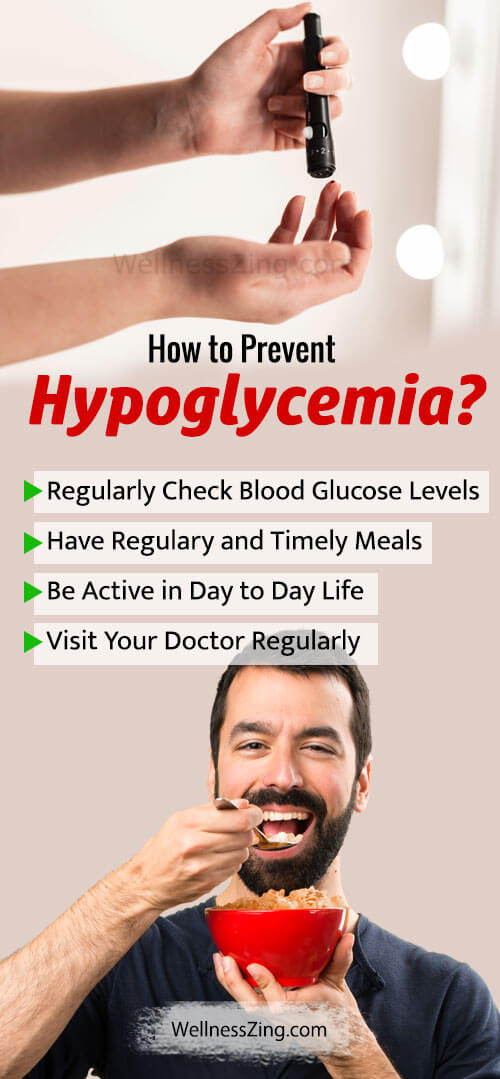
The treatment of diabetes is properly designed for matching the dosage and particular timing of the individual’s activities and meal schedule. Any kind of mismatch can lead to hypoglycemia. Hence, for the prevention of hypoglycemia, here are the steps you need to consider.
1. Keeping a watch on your blood glucose levels
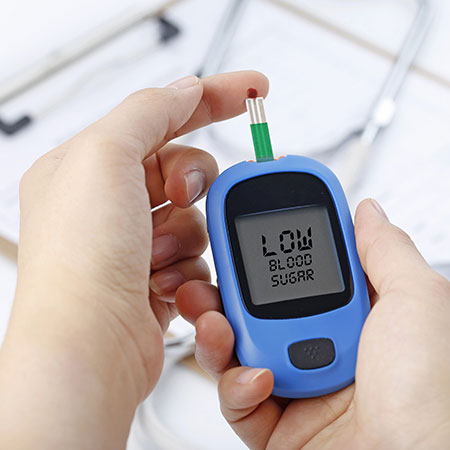
Keeping a watch on blood glucose levels is very helpful for the prevention of hypoglycemia. For this, you need to visit the doctor on a regular basis, and you can also check the blood glucose levels at your home with the help of a blood glucose meter.
2. Hypoglycemia unawareness
There are times when people with diabetes don’t recognize hypoglycemia symptoms, which are known as hypoglycemia unawareness. But if you are suffering from hypoglycemia without any prior symptoms, you need to see your doctor as soon as possible. Also, make sure you check your blood glucose levels before you go for a drive. You can also use the continuous glucose monitor for keeping a watch on your health. If you find the blood glucose levels falling at rapid speed, you need to see the doctor.
3. Have regular meals
A proper meal plan is the best way of preventing hypoglycemia. So, make sure you don’t skip the snacks and meals. Add the required carbohydrates to the meals so that the blood sugar levels remain stable and don’t reduce. Again, if you are having alcohol or any other beverages that contain alcohol, make sure you have food along with it.
4. Be active
Yes, being physically active is much helpful in reducing the blood glucose levels while performing the activity as well as hours after the activity. Hence, for preventing yourself from hypoglycemia, keep a watch on the blood glucose levels during, after, and before performing any physical activity. Also, make sure to adjust the medicines as well as the intake of carbohydrates. For this, you can seek the help of your doctor to work on increasing or decreasing any insulin levels or any medications.
5. See your health care team
Are you having hypoglycemia? Make sure you consult your health care team on a regular basis. Your health care professionals or team would work on the insulin and medications along with a strict management plan. They would prepare a well-balanced plan, medications, diet, as well as physical activities for preventing or controlling hypoglycemia. Also, make sure you ask the team whether you should have a glucagon emergency kit with you every time.
Hence, having a balanced diet plan like a healthy breakfast, lunch, evening snack, and dinner would be much more helpful. Look for ingredients like hard-boiled eggs, oatmeal, Greek yogurt, sunflower seeds, cinnamon, agave, tuna, a tofu sandwich, chicken, grilled fish, chickpeas, salmon, kidney beans, lentils, etc. to make your meals balanced and healthy.
Does hypoglycemia attack people who do not suffer from diabetes?
It is a myth prevailing in the market that hypoglycemia attacks only those who are already suffering from diabetes. However, the fact is it can also occur in people who do not have diabetes. There are two types of hypoglycemia that can attack people not having diabetes, which include reactive and fasting hypoglycemia. Also known as postprandial and postabsorptive hypoglycemia, both come with similar symptoms to those with underlying health issues. The symptoms list includes sweating, hunger, dizziness, shakiness, sleepiness, lightheadedness, difficulty speaking, confusion, weakness, and anxiety.
Reactive hypoglycemia normally occurs after around 4 hours of having meals, while fasting hypoglycemia is related to any kind of underlying health issue. Both the health states need to be well diagnosed by a team of professionals who also work on aspects like alcohol and beverages having alcohol, critical health issues, hormonal changes or deficiencies, tumors, and much more. Hence, it is essential to visit a medical expert for the issue, as it can occur at any age.
How do you prepare for your appointment?
Hypoglycemia is widely observed in people suffering from diabetes type 1. It basically appears around twice a week. However, if it is observed for more time or if your blood glucose levels are moving down, you surely need to talk to your doctor and find out the reason for the sudden change in diabetes management.
While moving to the doctor for your appointment, here are the things you need to be prepared for.
- Take a paper and note down all the symptoms you are experiencing, along with when you are experiencing them and how often they happen.
- Note down your essential medical details, like any medical history, any current medications you are taking, supplements like Vitamins or minerals, any allergies, etc.
- Mention about your current efforts for diabetes management you are working on, like your diet habits, sugar test results, medicine schedule, etc.
- Note down all your habits, like meals, exercise, alcohol intake, smoking habits, changes in your meal times, etc.
- Make sure you don’t walk to the clinic alone. Take a family member or friend along, as this might help in remembering anything essential you might have missed out on.
- If you have any questions to ask the doctor, note them down, as this would help in clearing your doubts or queries regarding any medicines or their effects.
Be open with your questions, symptoms, and other essential information while visiting the doctor. Having a friendly conversation would help in properly diagnosing and medication treatment for quick and improvised results.
Conclusion
No doubt, hypoglycemia is a condition that can be unpleasant sometimes. It is better not to risk the increase in blood glucose levels, as it is to be avoided. Make sure you check on a good diabetes care doctor who would help you get proper control over your health effectively and safely. Be positive and make sure you are always ready with proper measurements to prevent and take hypoglycemia treatment in the best possible way.
Related Posts