If you want to know how much water is too much for your body, then this article is for you.
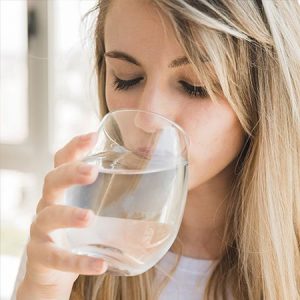
Imagine that you are traveling on a sunny afternoon and are not carrying a bottle of water. You feel uneasy, dehydrated, and fatigued. The only thing you need for a sudden boost of energy is a glass filled with plain water.
We are advised by healthcare experts, physicians, and dieticians to drink more and more water on a daily basis. Drinking an adequate quantity of water helps in getting rid of all ailments. It detoxifies all the toxins from the body. We lose water in the form of urination and sweating.
We start implementing this resolution in our daily life by drinking lots and lots of water. However, we still do not feel refreshed despite drinking liters of water. We feel fatigued and drained. This is mainly because overconsumption of water is not beneficial for health. It does not mean that we should keep drinking water at all times to be fit and healthy. We should limit our daily water intake to 6-8 glasses. This refers to proper water consumption.

Drinking a lesser quantity of water leads to dehydration, which is a dangerous situation. When our body gets dehydrated, the essential substances in our body, such as minerals, salts, and nutrients, are not maintained in a balanced proportion. In the same parlance, we also feel over-hydrated due to excessive water consumption. Overhydration is also a serious condition of the body that results in negative effects like weakness, headache, and high blood pressure levels. Moreover, people who suffer from renal diseases may face worse issues. Ideally, a person should drink only 6–8 glasses of water a day.
Meanwhile, here are some wonderful tips to protect yourself from the scorching sun!
It is true that our bodies need a sufficient quantity of water for the smooth functioning of organs, tissues, and cells. Water is essential for life! However, inadequate water consumption can lead to serious issues like dehydration. Let us now study what the side effects of excessive water consumption are on our body.
Benefits of Adequate Water Consumption
- If you drink more water, you will get rid of common issues such as constipation.
- Daily water consumption also reduces the risks associated with kidney stones.
- Dermatologists also advise their patients to drink more water. Adequate consumption of water can help in reducing skin and hair-related problems. Our skin receives nourishment, and it looks fresh and pleasant.
- Due to water consumption, our energy levels are boosted. Our brain also works effectively if we have sufficient water intake.
- When we discuss water, it does not refer to only plain water. Water is also present in substantial quantities in other foods like eggs, fruits, vegetables, fish, etc. So, when we consume these foods, we are also consuming water.
- Monitor your water intake for a couple of days. Observe the changes occurring in your body. Accordingly, you can introduce changes to your water intake by either reducing it or increasing it.
Let’s see some Refreshing and Natural Ice Packs You Must Try This Summer!
Negative Effects of Excessive Water Consumption
Overhydration is a serious condition in which a person may feel irritated and chaotic. The symptoms found in persons suffering from overhydration are a headache, weakness, muscle cramps, fatigue, seizure, spasms, etc. Thus, it is also a worse situation. A person who suffers from overhydration may also feel restless or experience general weakness in the body. Other symptoms include lack of appetite, vomiting, nausea, etc.
If the situation gets worse, then the person may also be unconscious or may start hallucinating or suffer from a brain herniation. Furthermore, the blood pressure levels of such a person may fluctuate at a higher rate. Overhydration can cause death or coma. Hence, it is always necessary to evaluate whether we are over-consuming water or not.
During overhydration, the balance of the quantity of minerals and salts, particularly sodium, in our body gets hampered. Take an example of an athlete or a sportsperson. He constantly has to undergo physical exertion; there is a loss of fluids in the form of sweat. Even though salts are thrown out of the body continuously, the athlete may suffer from dilutional hyponatremia.
Do you want to know How to Treat Skin Problems During Summer? Click here…
Other categories of people who are susceptible to overhydration are those who suffer from renal disorders. Individuals suffering from kidney disorders cannot absorb large quantities of water in the body. This leads to an increase in renal disorders, cardiovascular diseases, or other serious situations in the body. Thus, if a person who suffers from a renal disorder undergoes overhydration, they have to be treated with medical procedures such as dialysis for discarding the excessive water intake from the body. Alternatively, the person can consume sodium-based medications or an IV consisting of sodium solution to resolve this major concern.
This video explains how much water you should drink a day –
Water Intoxication
Water intoxication, also known as water poisoning, hyperhydration, or overhydration, is a potentially life-threatening condition that occurs when excessive water intake disrupts the body’s electrolyte balance, particularly by diluting sodium levels in the blood (hyponatremia). This dilution causes water to move into cells, leading them to swell, which can be especially dangerous in the brain. This condition most commonly results from drinking large amounts of water in a short period, often during water-drinking contests or intense physical activity. If you have certain medical conditions or medications that impair the kidneys’ ability to excrete water, then you are at risk of water intoxication. It is also observed among the people with mental health disorders who drink excessive water.
Symptoms of water intoxication
Symptoms of water intoxication can range from mild to severe and are primarily neurological due to brain cell swelling. These include nausea and vomiting, headache, bloating, confusion, disorientation, or altered mental status. Some cases also report drowsiness or sleepiness as a symptom. It results in poor motor coordination, muscle weakness, cramping, or twitching.
Treatment of Water Intoxication
The first and most logical way to treat water intoxication is to stop consuming excessive water. Administration of sodium (oral or intravenous) can also help resolve the issue. In severe cases, diuretics or intravenous fluids with higher sodium concentrations may be used to treat an individual. However, if required, hospitalization is advised in extreme cases to prevent further damage.
How to prevent water intoxication?
Well, as mentioned above, you should control the water intake and limit yourself to drinking only the required amount of water per day. You should also avoid excessive water consumption, especially in a short period. During intense exercise, replace fluids with electrolyte-containing drinks rather than plain water. Keeping these simple tips in mind can help you prevent and effectively treat water intoxication.
So, how much water is too much?
Let us now answer this basic question: How much water should we drink on a daily basis? The World Health Organization (WHO) states that a human being needs varying quantities of water according to their levels of activity, metabolic rate, and environmental factors. Thus, a person’s ideal water consumption depends on various factors, such as age, weight, activity levels, and current medication.
The experts have suggested that a person should drink at least 6-8 glasses of water on a daily basis. In other words, 1.2 liters of water should be a person’s ideal intake. It prevents the possibility of body dehydration. Moreover, it also promotes the regular functioning of the bodily organs.
To prevent the condition of hyponatremia, it is essential to strike a balance between salt and water intake. The most effective way of achieving this balance is to consume a hydration solution that consists of sodium. It is better to avoid drinking normal water while performing strenuous exercises. But this does not mean that one can go for a full liquid replacement solution, as it may lead to gastrointestinal issues or other unnecessary challenges.
Here we are going to know the importance of milk for health and beauty!
One should also obey the body’s water requirements. The rule is simple: sip water if you are thirsty. In case you feel like drinking more than 8 glasses of water in a day, then simply avoid it. This is because drinking more water can lead to disorders such as diabetes and kidney issues.
Excessive water consumption results in lower levels of sodium in the body. The sodium levels may go below 120 mmol/liter. In normal situations, the sodium level is below 110 mmol/liter. Thus, if the sodium levels go down considerably, it will lead to symptoms such as chaos, cramps, spasms, etc. You may also feel drowsiness, which can result in coma conditions.
Kidneys can discard only half a liter of water in one hour. Thus, if you are drinking more than one liter of water in an hour, just imagine how your kidneys must be handling the water overload. It is always better to drink 800 to 1000 ml of water every hour.
If you are looking for How Tea Leaves Can Be Used for Health and Beauty, then read on…
Thus, make it a habit of drinking 6–8 glasses of water a day to avoid issues relating to water consumption. When you feel thirsty, drink water, and when not thirsty, avoid it. During summers and while undergoing strenuous physical activities, balance the water intake through effective methods.
Related Posts