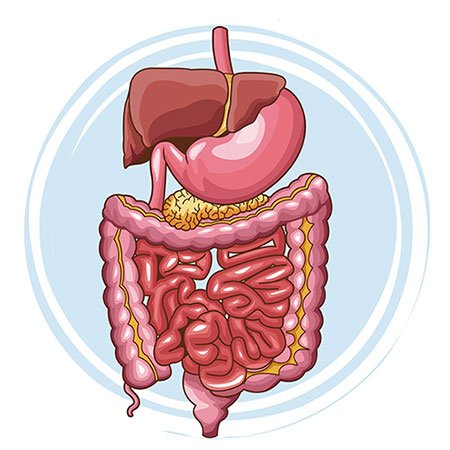
If you are suffering from digestive system problems and want to improve digestion, then you should follow this guide. Before we jump deep into the subject, let’s learn a few important facts about the human body’s digestive system.
Some surprising facts about Digestion
- It’s not the stomach that digests your meals. The stomach only carries out the mechanical digestion; that is, it only agitates the food and mixes it along with other gastric juices to convert the food into a thick paste by breaking it. The small intestine digests the food.
- The second part of the intestine that carries the digestion task is known as the jejunum.
- There are particular enzymes in the digestive system that separate the food into various nutrients required by the body.
- The stress levels and brain disorders come up with a deep impact on the digestion process. There is a gut-brain axis that exists between the brain and the digestive system.
- There is no gravitational force that applies to the food you eat. Hence, the body can also move the food in the digestive system even in the standing position while you are on your head.
- The enzymes that are advertised in the detergent powders for removing the stains are the same as those you carry in the digestive system.
- When you exhale gas, the fermented bacteria from your digestive organs mix with the air, causing the foul smell.
- The growling of the stomach, also known as borborygmic, occurs every time. When it is louder, it often indicates that your stomach is empty.
- The stomach can stretch out and hold around 4 pounds of food at a time.
- For keeping the digestive tract in the right shape, aerobics is the best exercise.
Digestion—One of the important body functions
Are you experiencing constipation, diarrhea, bloating, gas, or any such health issues every now and then? Your digestive system appears to be in distress!
Yes, the digestive system is reliable for several health issues. An upset digestive system can cause a variety of issues, from headaches to back pain. No doubt, everyone suffers from some digestive issues like stomach upset, heartburn, gas, constipation, etc., which are usually occasional. However, if they appear frequently, they can surely disturb your life.
Digestive System and Lifestyle. Do they have any connection?
Apart from the meals you have, the lifestyle you live also comes with a great impact on the digestive process and can also lead to some discomfort. There are various reasons for having digestive issues or discomfort, and the lifestyle is among them. You can control some factors, like having proper sleep, while others are not in your control, like family history and genetics.
Hence, if you are suffering from frequent stomach issues, there are high chances that your poor lifestyle is hindering your gut health. Many times, people think that taking a balanced diet along with proper and regular exercise can help improve digestive health. But not only these two can help out with regulating the digestive system.
Here are some of the negative factors that have an impact on your digestive system.
- The meals and ingredients you eat
- Too much or too less eating without noticing the ingredients
- Avoiding regular exercises
- Daily dehydration
- Sleeping schedule
- Anxiety and Stress levels
- Over-the-counter or prescription medications
- Bad habits like alcohol or tobacco intake, eating late night, etc.
Hence, your lifestyle also has some positive and negative impacts on your health, or particularly the digestive system.
What are the possible digestive problems?
The list of digestive problems includes both common and serious issues. While lifestyle changes can easily manage some issues, others may require professional attention and appropriate medications. Here are the possible digestive issues.
- Hemorrhoids
- Gas
- Acid reflux
- Diarrhea
- Constipation
- Crohn’s disease
- Irritable bowel syndrome (IBS)
- Gastroesophageal reflux disease (GERD)
- Diverticulitis
- Gallbladder stones, etc.
What are the different signs that indicate digestive issues?
If you are observing the following signs, you might be having a digestive issue:
- Straining at the time of bowel movements
- Hard and dry stools
- Bloating
- Cramps
- Vomiting
- Nausea
- Stomach pain
- Pain in the upper abdomen
- Swallowing issues
- Heartburn
- Weight loss or weight gain
- Bleeding
What are the causes that lead to digestive issues?
There are several causes that lead to digestive issues. The factors also vary according to the age of the individual. Here are the causes.
- Overeating
- Increased stress levels
- Intake of alcohol in excess
- Caffeine intake in excess
- Late-night consumption of food
- Toxins in the environment
- Avoiding chewing the food properly
- Particular medications
- Inactive lifestyle
- Diet with low fiber content
- Sensitivity to a particular food
- Allergies
- Poor sleep
- Genetic factors
There are some causes that can be managed easily by making particular changes in your lifestyle, but for some, you surely need to seek some medical help.
How can you improve the digestive system in a natural way?

Is your poor digestion constricting your life? Instead of resorting to heavy medications, you can easily and naturally address your digestive issues! The digestive tract consistently works to break down and digest your food efficiently. This is a crucial and necessary process. It is the digestive system that gets you all the important nutrients, like fats, minerals, vitamins, calories, carbohydrates, and proteins, which are absorbed by the walls of the intestine.
Hence, here are some possible ways to improve the digestive system naturally.
1. Start with chewing your food properly
The very first thing you need to work on is chewing your food properly. The digestion of the food starts from the mouth itself. Hence, when you chew the food properly, it makes the digestion process easier. The teeth break the food into small pieces, which makes it easier for the enzymes to further break it properly.
Poor chewing would lead to a decrease in the absorption of the nutrients, which comes with a negative impact on the digestive system as well as the body. Well-chewed food eases the strain on the stomach by transforming solid meals into a liquid mixture. Again, along with proper chewing, make sure you have the required saliva in your mouth, which aids in proper digestion. This technique also reduces the chances of heartburn and indigestion. So, while eating, make sure you chew the food well.
2. Eat with your mind
Many people eat quickly without paying attention to what’s on their plates. If this behavior is avoided, it can lead to indigestion, gas, and bloating. To reduce the chances of developing such issues, it is important to practice mindful eating. Pay attention to what you are eating along with the eating process.
For practicing this, have meals slowly, focus on the food and not on the TV or mobile phone, notice the look and the smell of your meals, select a proper portion of each bite intentionally, and refer to the temperature, taste, and texture of the food. Having your meals in the presence of your mind is much more helpful for keeping the digestive system healthy. So, enjoy your food properly while you have meals, and you can surely improve digestion.
3. Work on your stress levels
Stress is something that comes with a direct connection to your digestive system. According to a study, IBS, constipation, diarrhea, and stomach ulcers can also be a sign of too much stress. The stress hormones directly affect the digestive system. When your body is overwhelmed by multiple stressors, you lack proper time to digest and rest. Stress again abstracts both energy and blood from the digestive system.
Given the interconnection between the mind and the digestive system, the brain also influences digestion. So, manage your stress levels well. This can be carried out by practicing relaxation training, meditation, and stress management therapies, which would reduce the stress levels and improve the digestion process as well.
4. Don’t forget to drink water
Just as water is essential for other health issues, it is equally important for your digestive system. Constipation can result from not consuming the recommended amount of water. We recommend consuming approximately 50 to 66 ounces, equivalent to 1.5 to 2 liters, of water daily. Along with water, one can also have other fluids like herbal teas, seltzer water, juices, etc., to meet the requirement of the water levels.
Once again, the amount of fluids you consume also depends on the climate and the intensity of your exercise routine. Another additional way to increase the fluid level in your body is through particular vegetables and fruits like grapefruit, strawberries, melons, tomatoes, celery, zucchini, cucumber, peaches, etc. So, keep yourself hydrated to keep the digestive system healthy.
5. Walk and exercises
Do you know, even some gentle exercise is very helpful for your digestive system! Yes, being active is much more helpful for the entire process of digestion. Taking a small walk after meals is quite effective for keeping the digestive system active. It would also reduce particular health issues like feeling full, bloating, nausea, etc.
Again, for the people looking to maintain their weight, having a small walk after meals is quite effective. There are particular exercises that come with the best impact on the digestive system. Hence, regular exercises and walks are much more effective in keeping the digestive system healthy and smoothly functioning.
6. Avoid bad habits
Alcohol, cigarettes, coffee, and other caffeine not only harm your health but also disrupt the smooth functioning of the digestive system. Continuing all such bad habits can result in other health issues like heartburn, stomach ulcers, cancer, etc. So, try to skip such bad habits as excessive alcohol, caffeine, and even smoking. Such behavior would allow the digestive system to function smoothly.
7. Work on your sleeping hours
The hours you sleep come with a deep impact on your digestive system. People suffering from insomnia, poor sleep, etc., are more likely to suffer from digestive issues like diarrhea, upset stomach, indigestion, stomach pain, etc. Inflammatory bowel disease is a common digestive issue faced by people who lack quality sleep. When an individual sleeps properly, the digestive system gets the proper time to function with the meals taken. Hence, getting quality and sound sleep would come with improved results on the digestive system and its functioning.
Hence, by making minor changes in them, one can come up with better results for the digestive system and help it maintain its functioning and health.
What foods can help improve digestion?
Apart from making changes in your lifestyle, you can also improve the digestive system by keeping a watch on the ingredients you are having in the meals. Yes, the food and fluids you have boost the digestive system to a great extent. Here are some essential ingredients that help improve the digestive system.
1. Look for some fiber-rich food—whole grains
Fiber, or particularly soluble fiber, is much more essential for regulating bowel movements, which helps in the prevention of constipation. Fiber absorbs the water and makes the stool soft. This also prevents one from constipation. The insoluble fiber is similar to the scrub brush, which eases the food movement in the intestine.
And the whole grains are rich in insoluble fiber that reduces the pressure on the intestines and also reduces the chances of having diverticular diseases. The whole grains are also rich in vitamins, minerals, and antioxidants, along with fiber and refined carbohydrates. So, look for ingredients like whole grains, oats, white bread, white rice, pasta, quinoa, barley, whole wheat, bulgur, teff, spelt, farro, etc.
2. Go for prebiotics and probiotics to improve digestion
Probiotics are essential bacteria that make the gut healthy. Prebiotics, the essential fibers for the bacteria, come from a variety of fruits, veggies, and whole grains.
Probiotics are helpful in improving the functions of the intestine, alleviating the symptoms of lactose intolerance, and also eliminating the chances of developing various medical conditions. Probiotics are much more helpful in curing issues like acute diarrhea, preventing diarrhea caused by antibiotics, and boosting lactose metabolism. For obtaining probiotics and prebiotics, look for ingredients like kombucha, kimchi, yogurt, fermented food items, pickles, tempeh, sauerkraut, kefir, etc.
3. Vegetables and Fruits
Veggies and fruits are much more helpful as they provide us with various nutrients like antioxidants, phytochemicals, anti-inflammatory agents, minerals, and vitamins that boost the digestive system. They are also rich in soluble and insoluble fibers.
All these not only provide you with a full meal of fibers and nutrients. Having a full dish meal with veggies and fruits can reduce the chances of having ulcers, diarrhea, constipation, etc. So, add some essential fruits and veggies like green bananas, green leafy veggies, apples, cauliflower, broccoli, Brussels sprouts, apricots, raisins, carrots, prunes, and much more to your meals.
Again, consult your doctor before eating any fruits or vegetables, as some should be avoided with IBS.
4. Herbs and Spices Help Improve Digestion
You often have herbs and spices, but you don’t know they help your digestion. Some of the herbs and spices in the list include asafetida, ginger, peppermint, etc., which are essential for a healthy digestive system.
Asafetida is a traditional medicine that comes with a strong smell. It boosts the functions of the digestive enzymes in the pancreas and the small intestine. Asafetida provides relief from stomach pressure, flatulence, loose stools, low acid levels, etc. On the other hand, ginger is rich in anti-inflammatory and antibacterial properties that help with issues like bloating, indigestion, digestive spasms, and nausea, as well as alleviating gas.
Peppermint provides quick treatment for the upset stomach. It aids in digestion when having heavy meals. The herbs and spices are helpful in reducing various health issues related to the digestive system.
However, while having the ingredients, it is essential to check if you are having any discomfort in the abdomen, like bloating, belching, etc. If any such symptom occurs, you should start avoiding the ingredients. Again, the intake of fried foods, fatty foods, beans, or any other fizzy drinks can also result in flatulence. Having acidic items like grapefruit juice, tea, coffee, and spicy foods can also result in heartburn and stomachaches. So, check what suits your digestive system and have it regularly.
Final Words
Apart from all these, there are some ingredients that help with quick relief from various digestive issues. Having some mint tea, a gentle walk, or even a belly rub can be much more helpful for working on the digestion process. Furthermore, having meals slowly, taking proper rest, etc., can boost the digestive system.
You are not the only person dealing with digestive issues. Again, older people suffer from digestive issues, which are quite common. Most people experience digestive issues at some point in their lives. While some digestive issues are quick to heal, there are some that need professional care to fix them. Eat and sleep well to keep your digestive system happy.
So, what are you going to add to your routine to keep your digestive system happy?
Related Posts