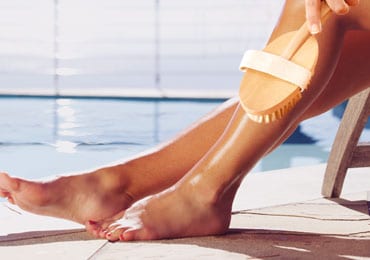
On a quiet morning, before the rush of emails and the clinking of coffee mugs, Maya stood in her bathroom holding a simple wooden brush with natural bristles. She had read about dry brushing in a wellness magazine, curious about its promise to transform not just her skin, but her energy and overall well-being. As she brushed her arm in long, gentle strokes, she noticed an immediate warmth, a tingling that felt both soothing and invigorating. What seemed like a small ritual began to feel like a doorway to a centuries-old secret.
Dry brushing may look simple, but it has roots that trace back to ancient civilizations. From the Greeks who used strigils (scraping tools) after athletic competitions to the Ayurvedic practice of Garshana in India and even the Finnish tradition of sauna brushing, people across cultures have long understood the connection between skin stimulation, detoxification, and vitality. Today, modern science helps us better understand why this timeless practice continues to grow in popularity.

Let’s step into the story of dry brushing and discover the many ways it benefits not just your skin, but your entire body.
1. The Glow Factor: Exfoliation at Its Best
Maya noticed after just a week of dry brushing that her skin felt smoother than ever. That wasn’t magic—it was exfoliation at work.
- Our skin naturally sheds 30,000 to 40,000 dead skin cells every minute, but not all of them leave the surface efficiently. Over time, this buildup can lead to dullness, clogged pores, and rough texture. Dry brushing acts as a natural exfoliant, sloughing away these dead cells to reveal fresh, radiant skin underneath.
- Improved skin texture: Research from dermatology journals confirms that regular exfoliation increases cell turnover, giving skin a youthful glow.
- Unclogged pores: By clearing debris, dry brushing helps prevent breakouts and reduces the risk of ingrown hairs.
- Better product absorption: Skincare products like serums and moisturizers penetrate more deeply when applied after brushing.
Unlike chemical exfoliants, which can sometimes cause irritation, dry brushing is gentle, cost-effective, and free of synthetic additives. Think of it as polishing a gemstone—the more consistent you are, the more brilliance you’ll uncover.
2. The Energy Booster: Circulation and Lymphatic Support
After her first full-body brushing session, Maya felt a surprising rush of energy. She didn’t know it then, but she had just stimulated two of her body’s most vital systems: blood circulation and lymphatic flow.
Circulation: When you brush the skin, you’re not only working on the surface—you’re increasing blood flow to the area. This brings oxygen and nutrients to skin cells, giving them the tools they need to regenerate. Studies in microcirculation have shown that even light massage techniques improve vascular function.
Lymphatic drainage: The lymphatic system, often overlooked, acts as the body’s natural detox network. Unlike blood, lymph doesn’t have a pump—it relies on muscle movement and external stimulation to flow. Dry brushing encourages lymph movement, helping to flush toxins and reduce fluid retention.
Holistic practitioners often call dry brushing a “natural detox aid”, and while it’s not a replacement for the liver or kidneys, it certainly supports the body’s cleansing processes. For Maya, it meant feeling lighter, less bloated, and noticeably more energized in the mornings.
3. The Cellulite Story: Fact, Fiction, and Smoother Skin
Maya, like many women, had her share of dimples on her thighs. Could dry brushing really make a difference?
- Cellulite, which affects up to 90% of women, is caused by fat pushing against connective tissue, creating a bumpy appearance. While no topical treatment can fully erase cellulite, dry brushing can temporarily improve its look by:
- Increasing blood flow, which plumps the skin and reduces the visibility of dimples.
- Redistributing fluid build-up, making the skin appear smoother.
- Supporting connective tissue health through stimulation.
Scientific studies suggest that massage-based techniques can help reduce cellulite appearance, though results vary. For Maya, the visible change wasn’t drastic, but she noticed her skin tone looked more even, and her thighs felt firmer. Combined with hydration and exercise, dry brushing became her secret weapon in the battle for smoother skin.
4. The Detox Dance: Supporting Skin Health
Our skin is the largest organ of detoxification, eliminating impurities through sweat and shedding. But what happens when this system gets sluggish? That’s where dry brushing steps in.
- Sweat gland stimulation: Brushing helps keep sweat glands open and functional, aiding natural detoxification.
- Reduced clogged pores: With less buildup, the skin “breathes” more easily.
- Supports kidney and liver function indirectly: By encouraging lymphatic drainage, the workload on major detox organs is slightly reduced.
While the term “detox” is often overused in wellness, dry brushing does have a clear, practical effect: it keeps the skin—a detox pathway in its own right—functioning optimally. For Maya, this meant fewer breakouts on her back and a noticeable improvement in overall skin clarity.
5. Stress Relief: A Mindful Self-Care Ritual
One evening, after a particularly stressful day at work, Maya picked up her brush. As she moved it rhythmically across her arms, she realized she wasn’t just caring for her skin—she was calming her mind.
Dry brushing is often compared to meditation because of its soothing, repetitive strokes. It engages the parasympathetic nervous system, which helps the body relax. This simple ritual can:
- Lower stress hormones that contribute to skin flare-ups.
- Provide a “me-time” moment in otherwise hectic routines.
- Improve mood by releasing endorphins through gentle massage.
In a world where stress often shows up on the skin in the form of acne, sensitivity, or premature aging, adding dry brushing to a daily routine can be both a skin savior and a soul soother.
6. Stronger Immune Function: The Unexpected Benefit
Few people realize that dry brushing can indirectly support the immune system. Here’s how:
The lymphatic system not only removes waste but also carries white blood cells. By stimulating lymph flow, dry brushing helps these immune cells travel more efficiently.
Studies on manual lymphatic drainage (MLD) show improved recovery in post-surgical patients, highlighting the power of external stimulation.
Improved circulation ensures nutrients and immune defenses reach tissues faster.
For someone like Maya, who often struggled with seasonal colds, incorporating dry brushing felt like strengthening her body’s defense line—one gentle stroke at a time.
7. Supports Healthy Digestion and Kidney Function
One of the lesser-known benefits of dry brushing is its effect on internal organs. According to naturopathic practitioners, stimulating lymph flow and circulation can also enhance digestion and kidney function.
Digestive aid: Brushing the abdominal area in clockwise circles follows the natural flow of digestion, potentially reducing bloating and discomfort.
Kidney support: By reducing fluid retention, dry brushing eases the workload on the kidneys.
Though research is still emerging, many practitioners and users report improved gut comfort and reduced water retention as a result of consistent practice.
8. A Natural Anti-Aging Ally
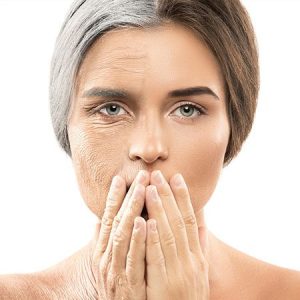
Aging skin often loses elasticity, hydration, and radiance. While no ritual can stop time, dry brushing may slow down visible signs of aging by:
- Increasing collagen production through consistent stimulation.
- Encouraging cell turnover for fresher-looking skin.
- Enhancing nutrient delivery to skin cells.
A study on mechanical stimulation of skin found that consistent massage improved collagen expression, which is key in reducing fine lines and sagging. For Maya, this meant her skin felt firmer, more youthful, and noticeably healthier over time.
How to Dry Brush Safely: A Step-by-Step Ritual
Dry brushing is simple, but doing it correctly ensures you get the benefits without irritating your skin. Dermatologists and holistic health experts recommend the following safe and effective method:
1. Choose the Right Brush
- Use a brush with natural bristles (made from plant fibers or animal hair) instead of synthetic ones, as they are gentler and less likely to cause micro-tears.
- A brush with a long handle is ideal for reaching your back and shoulders.
For sensitive skin or beginners, a softer bristle brush is recommended, while firmer bristles work better for tougher areas like legs and feet.
2. Start at the Feet and Move Toward the Heart
- Always brush toward the heart because it follows the natural flow of blood and lymph.
- Begin at the soles of the feet, then brush upward along the legs in long, sweeping motions.
This technique stimulates circulation and encourages lymphatic drainage more effectively than random strokes.
3. Apply Gentle, Even Pressure
- The goal is to stimulate, not scratch. Brushing should feel slightly tingly and invigorating, never painful.
- Too much pressure can irritate the skin or cause micro-abrasions.
Think of it as a light massage rather than a scrub.
4. Work in Sections
- Legs: Start at the ankles and move upward.
- Stomach: Brush in a gentle, clockwise motion, mimicking the natural direction of digestion.
- Arms: Begin at the hands and sweep upward toward the shoulders.
- Back: Use a long-handled brush for downward strokes from the neck to the lower back.
Avoid delicate areas such as the face unless using a brush specifically designed for facial dry brushing.
5. Shower Immediately After
- Brushing removes dead skin cells that can sit on the surface. A shower rinses them away, leaving the skin clean and fresh.
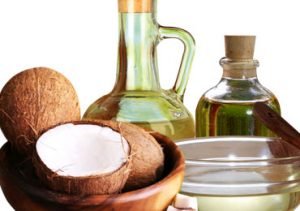
- Follow up with a moisturizer or body oil (coconut, jojoba, or almond oil are popular choices) to rehydrate and protect the newly exfoliated skin.
6. Frequency Matters
- For most skin types, 3–4 times a week is sufficient. Daily brushing may be too harsh, especially for sensitive skin.
- Consistency is key—benefits build up over weeks, not days.
⚠️ Precautions to Keep in Mind
Do not brush over cuts, wounds, sunburn, rashes, or inflamed skin conditions like eczema and psoriasis, as this can worsen irritation.
Clean your brush every 1–2 weeks with warm water and mild soap, then let it air dry. This prevents bacteria buildup that could cause skin infections.
If you notice redness, itching, or irritation, reduce frequency or switch to a softer brush.
✅ When practiced properly, dry brushing is a safe, low-cost ritual that not only enhances skin appearance but also supports circulation, lymphatic drainage, and overall well-being.
Final Thoughts: A Simple Ritual with Lasting Rewards
What began for Maya as an experiment became a cherished ritual. Her skin looked brighter, her mornings felt more energized, and her stress melted away with each stroke of the brush. Dry brushing isn’t just skincare—it’s self-care.
From exfoliation and circulation to lymphatic support, stress relief, and even immune health, dry brushing proves that sometimes the simplest practices can have the most profound impact. Backed by both ancient traditions and modern science, it’s a ritual that bridges the past and the present, offering us a holistic path to healthier skin and a healthier life.
So the next time you stand in front of the mirror, brush in hand, remember: you’re not just polishing your skin—you’re awakening your body, reviving your spirit, and embracing a tradition that has stood the test of time.
Related Posts