Whether adopting the latest aesthetic, cultural connotation, or easy-to-care hairstyle, dreadlocks are no longer simply a hairstyle but a statement of self-expression and individuality. For innumerable individuals out there, dreads are a symbol of uniqueness.
Dreads have undoubtedly gained tremendous popularity, but many people are still unaware of this term or have failed to understand how to achieve this hair look. Through this post, let’s explore this latest trend, which is a combination of modern hairstyles and cultural implications.
What are Wick Dreads?
Wick dreadlocks, Florida dreads, globs, and bonks, or say wick dreads, are an exceptional style inspired by dreadlocks that are cylindrical in shape and have a structured appearance. With its origin in South Florida, this hair look is quite popular among American of African descent, particularly Afro-Caribbeans who are subgenres in Florida or are involved in the hip-hop community.
Opposite to traditional dreadlocks that naturally appear eventually, wick dreads are created intentionally by twisting and rolling the hair. When this method is followed, locks that are identical in shape and size are obtained that give a polished and sleek appearance. Wick dreads are highly adopted by individuals who look for a tailored and well-organized hairstyle.
Different Techniques of Creating Wick Dreads
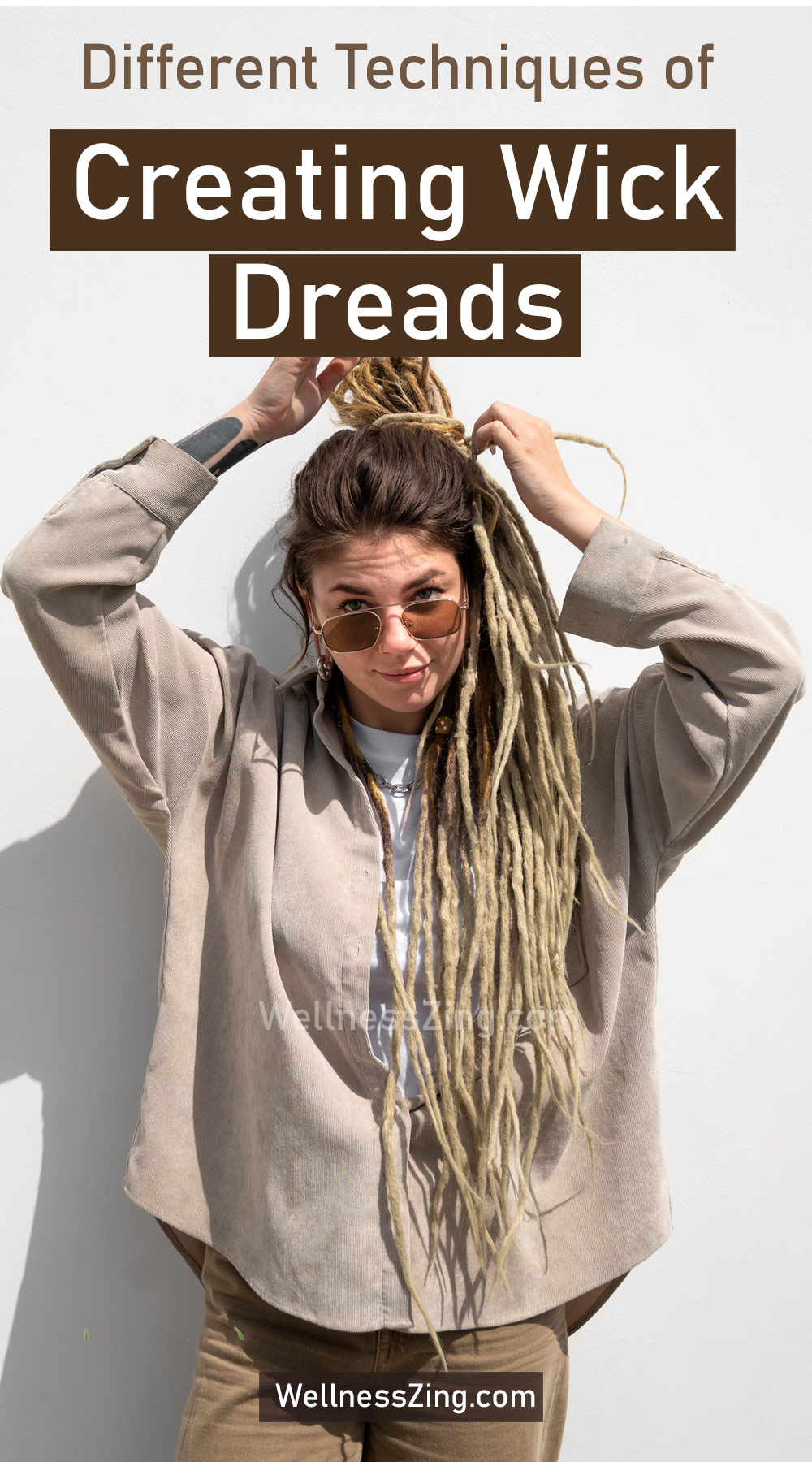
To create wick dreads, the first thing is to grow the dreadlocks, which is a time-consuming process. For people who already have dreadlocks, Afro hair, or curly hair, this process becomes a little easier. Let’s take a look at the different techniques or ways of having wick dreads for a stylish appearance.
1. Crochet Method
The crochet wick extensions are obtained by weaving and tightening the hair using a crochet hook or needle. Compared to other wick dread looks, this method gives a well-defined and neat look that makes it an ideal choice for having a polished appearance. No doubt, this method is quite time-consuming, yet it offers clear-cut control over the shape and size of dreadlocks.
2. Freeform Method
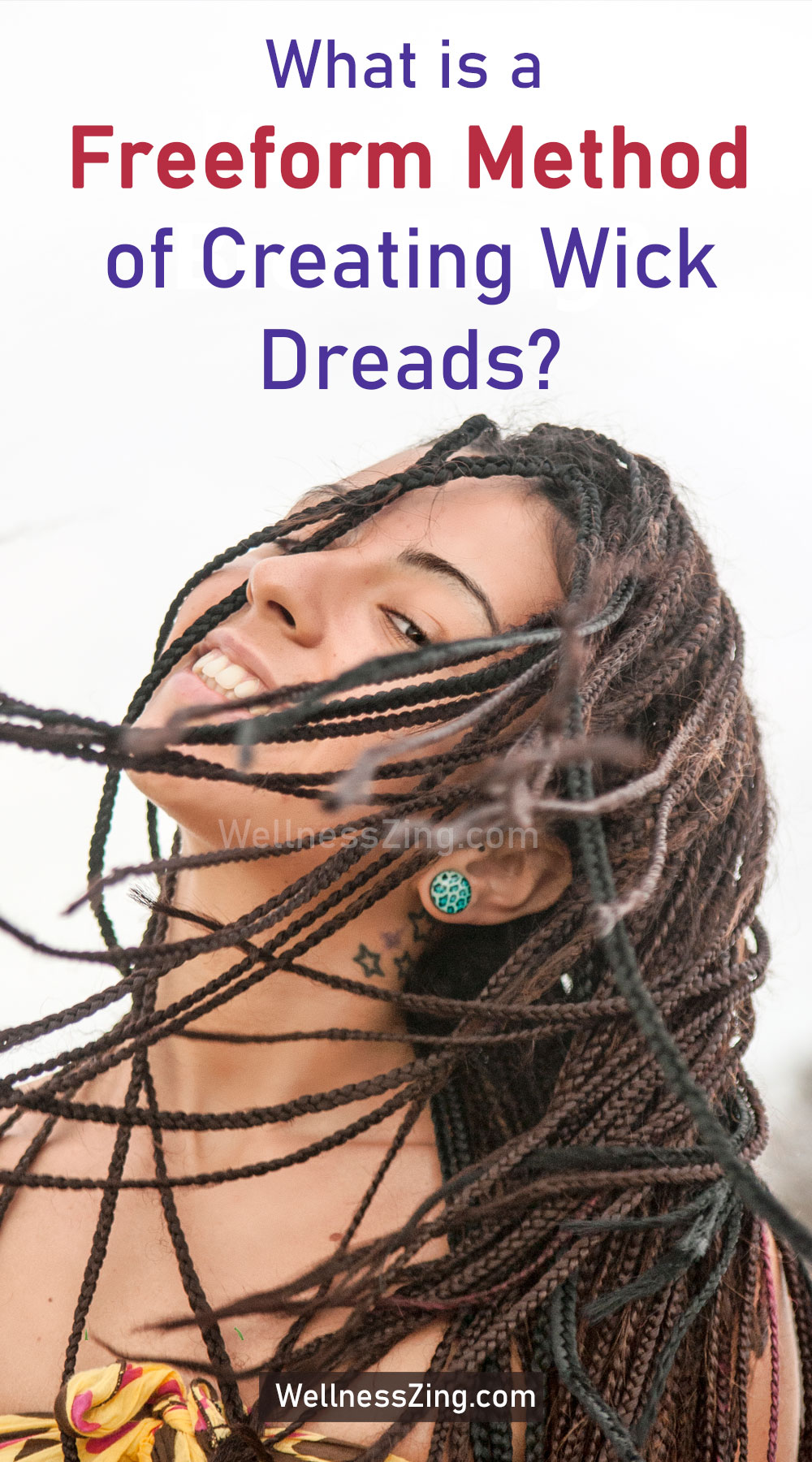
The freeform method is a natural, low-manipulation approach to creating wick dreads, resulting in thick, statement-making locs that form organically over time. This method is rooted in the tradition of letting hair mat and lock with minimal interference, often associated with the “Florida wicks” style popularized in South Florida’s Afro-Caribbean and American of African descent communities.
How the Freeform Method Works?
You may start by loosely sectioning your hair into large parts to guide the eventual size and placement of each wick. This step is optional, as true freeform allows hair to section itself naturally.
Allow your hair to grow and mat naturally. Avoid combing, brushing, or separating the hair. The key is to let the hair “do its thing,” encouraging the strands to tangle and lock together over time.
Unlike the crochet or combine methods, the freeform approach does not use rubber bands, crochet hooks, or any external tools. Some may use rubber bands to help with initial separation, but pure freeform avoids this.
Clean your hair regularly with a residue-free shampoo to keep the scalp healthy. Avoid conditioners or heavy products that can slow down the matting process. The freeform method is slow. Hair can take months to years to fully lock and form thick wicks, depending on your hair texture and how often you wash or manipulate your hair.
Each wick will be different in size and shape, resulting in a more organic, individualized appearance compared to the uniformity of crochet or combine methods. Over time, individual strands or smaller locs will begin to “congo” (fuse together) at the roots, forming thick, candle-like wicks. If you never separate them, you may eventually develop very large, singular “beaver tail” locs.
3. Rubber Band Method
This method gives your dull hair a creative appearance. The rubber band method locks and tightens the hair wicks with the help of rubber bands. Compared to other dreadlock methods, this is a time-consuming process; however, it gives a stunning look, highly popular among the hip-hop community.
4. Combine Method
The crochet wick combined method, or say the combined method, is the easiest method of having these trending dreads. This method creates locks by tying the dreadlocks that already exist creatively through the crochet or rubber band method. The hair is twisted, and sections are combined to form butterfly locs using locking wax or gel to keep the locs uniform and well-organized.
Apart from all these primary wick dread methods, other styling spurs include flat wick dreads, short wick dreads, fade wick dreads, long wick dreads, colored wick dreads, and many more. Some also decorate the dreads using certain accessories for a unique appearance.
How are Wick Dreadlocks Created?
Before we proceed towards how to start wick locs, it should be known that to obtain this hairstyle, the hair volume, texture, and length are the three essential things that are considered. According to hair experts, to create wick dreadlocks, the minimum hair length should be around 6 inches, while it takes around 10 months to 2 years to have that final look. So, be patient!
Here is a general overview of how the wick dreadlocks can be created for a desired appearance.
- The hair should be properly cleaned and dried before starting the process
- In case you lack the required length, hair extensions can be used to achieve the desired length
- The next step is to divide the hair into different sections with the help of your fingers or a comb
- Take a section and twist it tightly in a single direction to create a foundation for the Boho locs or traditional locs. Do the same with all the sections
- When the twisting part is over, roll the hair using your palms to shape and compact the dreads. Make sure you roll until the dreads are completely tight and secure
To maintain the dreads, carry out the rolling process regularly to prevent them from disentangling and keep them tight. If necessary, re-twist the loose locs or hair to maintain the uniformity or cleanliness of the hairstyle.
Are Wicks and Congos similar?
Check out any debate on Wicks vs. Congos, and it would be clear that both terms are quite different. Both Congos and Wicks are related to dreadlocks, but they are still unique. Wicks are a particular dreadlock style that has cylindrical and thick dreadlocks that are mostly created using the crochet method. Wicks allow you to personalize the hairstyle by using 4 to 10-wick dreads. You have the freedom to create several styles using wicks and rubber bands or even without them.
On the other hand, congos are created when multiple dreads are combined to form a large dreadlock. In short, Congo isn’t about creating dreadlocks but merging two or more dreads to form a unique style. Congos are mostly combined to obtain an appearance similar to spider legs. The total number of wicks depends on the dreads you are willing to combine using the crochet method, which is the only method used to create congos.
Do Wicks Damage Hair?
Many people wonder whether wicks—the thick, rope-like locs created by fusing sections of hair together—cause damage. The truth is, the outcome depends largely on the installation method, ongoing maintenance, and the initial health of the hair.
Wicks are typically formed by combining smaller locs or free-forming thick sections, often with crochet hooks, rubber bands, or palm rolling. If installed too tightly or with excessive pulling, the roots can suffer from tension, which may lead to thinning edges or even traction alopecia. For instance, some individuals who wore heavy wick extensions without balancing the weight experienced noticeable breakage around the crown after prolonged wear.
On the other hand, when wicks are created correctly and maintained properly, they do not inherently damage the hair. In fact, they often reduce daily manipulation since there is no need for constant brushing, heat styling, or chemical processing. This protective benefit can help fragile strands thrive. For example, someone who transitioned from relaxed hair to natural wicks often sees less breakage within months because the hair is no longer subjected to flat-irons and harsh treatments.
The most important factor is scalp health. Product build-up or neglecting to wash the hair can clog follicles and weaken growth. Experts recommend cleansing every 1–2 weeks, moisturizing with lightweight oils such as jojoba, and avoiding overly tight retwists.
Final Words
Trying this new hairstyle out of your comfort zone is surely challenging; however, with expert tricks and tips, it is manageable. Wick dreads is an exceptional hairstyle that looks attractive with a spiritual connection. But before trying any of the wick dreads hairstyles on your own, we highly recommend you see a hair specialist to have a proper idea of the plus and minus points of the same according to your hair texture, length, and type.
Related Posts